
Experience Seamless School Days with Digital Harmony
When every call connects, every moment gets easier.
Discover how CLtel helps North Iowa schools create calm, connected communication that just works.
A 60-second self-assessment for superintendents, IT leaders, and business managers who need to know whether their communication system is creating hidden risk.
Phones are easy to ignore when they work. But during a weather event, safety issue, front office rush, or building-wide emergency, your system has to do more than place calls.
It has to help your team respond.
The risk usually isn’t obvious
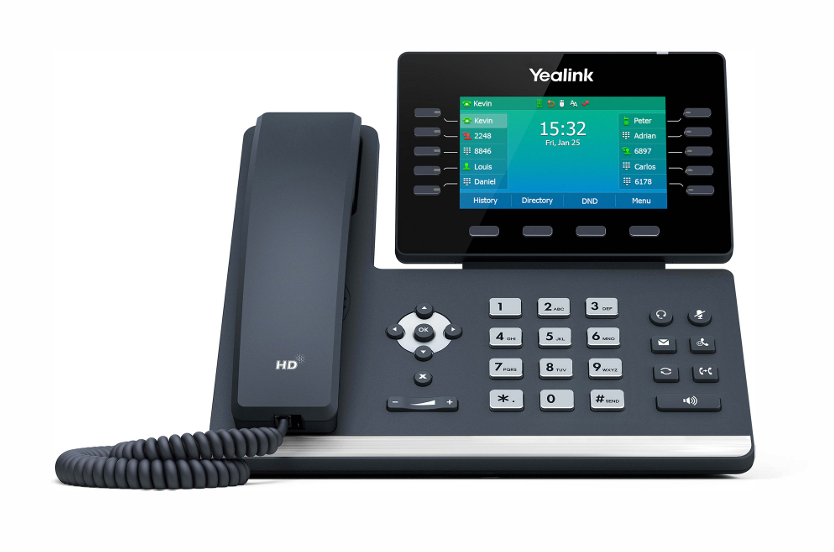
Most school phone systems don’t fail all at once. They create small workarounds.
The front office manually transfers calls. IT handles the same fixes again and again. Emergency notifications live in a separate system. No one is completely sure what the annual cost really is.
Individually, those issues feel manageable. Together, they create risk.
Is your system creating risk?
Check each item that applies to your district. At the end, you’ll see whether your phone system is likely creating hidden cost, IT burden, or safety-related communication gaps.
Self-assessment for superintendents, IT managers, and business managers who need to know whether their communication system is creating hidden risk.
Talk Through Your Results With an Expert
Want a breakdown of where your system is creating risk, and how districts like yours are fixing it?
CLtel helps schools modernize communication without adding complexity.
We help districts move from aging phone systems and manual workarounds to hosted phone solutions designed for reliability, flexibility, and easier management.
That means clearer communication between buildings, easier staff changes, better visibility into costs, and support from people who understand local schools.
- Hosted phone solutions built for multi-building organizations
- Local support from a team based in North Iowa
- More flexible management for adds, moves, and changes
- Better visibility into monthly costs
- Options designed to reduce reliance on aging on-site hardware